
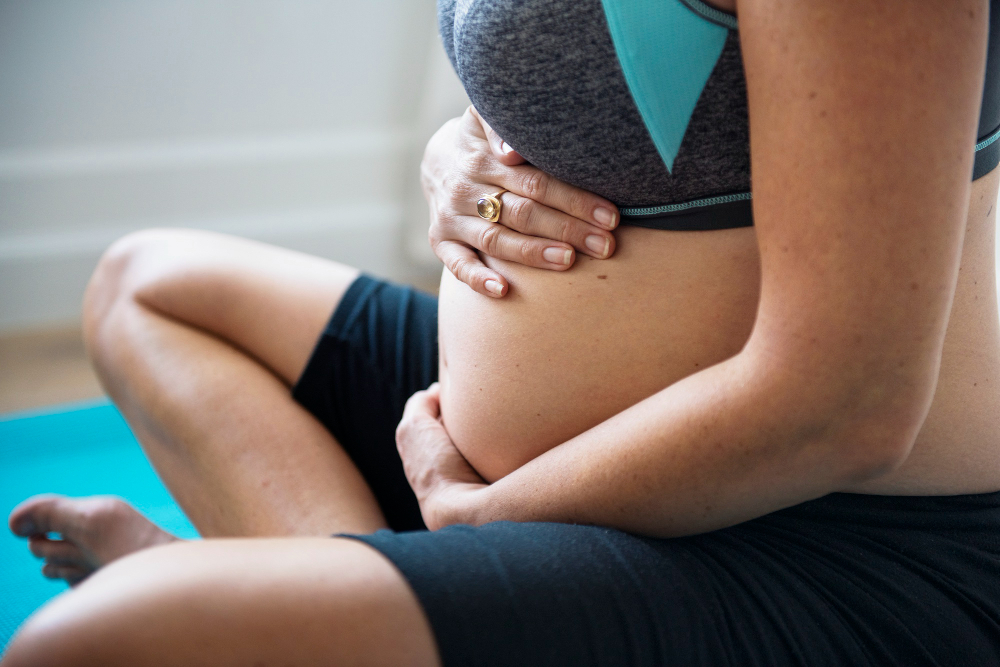
Experience a Comfortable, Aligned Pregnancy Journey
Pregnancy triggers massive structural transformations over a very short period. As your center of gravity shifts forward and the hormone relaxin softens ligaments, your pelvis can easily rotate out of alignment, causing severe lower back pain, sciatica, and pubic symphysis dysfunction. At New Roots Chiropractic, we provide highly safe, specialized Prenatal Chiropractic Care to help expectant mothers navigate these changes comfortably.
The Webster Technique Protocol
Dr. Sam Lobell is highly trained in the Webster Technique, a specialized chiropractic assessment and gentle adjustment protocol tailored specifically for pregnant mothers:
- Pelvic Balancing: Reduces structural torsion across the sacroiliac (SI) joints to maximize pelvic real estate.
- Uterine Ligament Relaxation: Alleviates asymmetrical pulling on the round ligaments and uterosacral bands, reducing sharp belly pain.
- Gentle Modifications: Utilizing pregnancy-specific pillows and specialized drop table techniques to completely eliminate abdominal pressure during care.
Target Benefits for Mother and Baby
- Drastically reduces pregnancy-related lower back pain and shooting hip pain
- Promotes optimal pelvic alignment, giving your baby maximum space to grow and settle into the ideal birthing position
- Balances round ligament strain to alleviate front-pelvic catching pain
- May shorten labor times by ensuring the pelvic floor and joints move freely
Frequently Asked Questions
Is chiropractic care safe during all trimesters of pregnancy?
Yes. Chiropractic care is exceptionally safe and gentle throughout your entire pregnancy journey. We constantly adapt our techniques to match your changing anatomy and comfort preferences.
Can the Webster Technique turn a breech baby?
The Webster Technique is not a method to manually turn a baby. Instead, it balances the mother’s pelvic bones and ligaments. Resolving pelvic rotation removes structural constraints, allowing the baby to naturally find the optimal head-down position on its own.